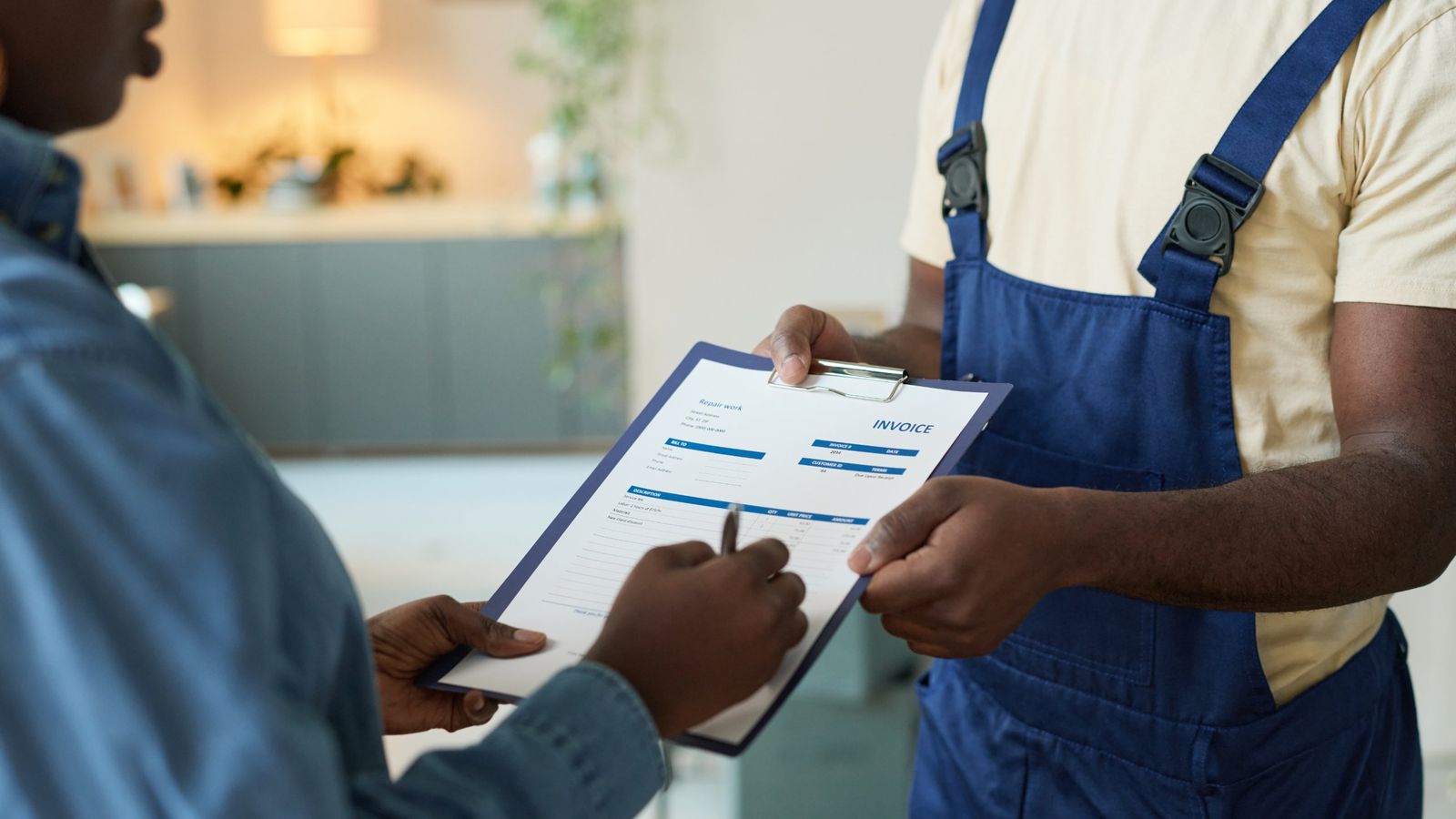
What makes up the bill
An emergency plumbing bill usually has three parts:
- Call-out or service fee. A flat charge for coming out and diagnosing the problem. For emergency calls it typically runs from about $150 to $350, and it is often charged even if you decide not to go ahead with the repair.
- Labor. An hourly rate, often with a one-hour minimum. Standard daytime rates are commonly around $75 to $150 an hour. At night, on weekends and on holidays they rise.
- Parts and materials. Valves, fittings, pipe and any replacement parts. Some plumbers charge a flat price per job that includes everything.
Typical emergency plumber costs
| Charge | Typical range |
|---|---|
| Standard daytime hourly rate | $75 to $150 per hour |
| Emergency hourly rate | $100 to $500 per hour |
| Emergency call-out or diagnostic fee | $150 to $350 |
| Weeknight call | About 1.5x the normal rate |
| Weekend or holiday call | About 2x to 3x the normal rate |
| Total emergency visit | About $215 to $665 |
National averages from US cost guides. Prices in big cities and high-cost areas are higher, and a major repair or replacement can cost much more.
Why after-hours plumbing costs more
A plumber who comes out at night, on a weekend or on a holiday is working outside normal hours, often on short notice. As a rule, holidays cost the most, then weekends, then weekday evenings. Many plumbers charge time and a half on a weeknight and up to three times their normal rate on a major holiday.
How to keep the cost down
- Stop the water yourself. If you have shut off the main valve and nothing is getting worse, you may be able to wait for normal hours and pay a standard rate.
- Ask for prices up front. Before anyone sets off, ask for the call-out fee, the hourly rate at this time of day and any minimum charge.
- Get a written quote before work starts. For anything beyond a quick fix, ask for the price in writing, by text or email if you need to.
- Ask for a temporary fix. A plumber can often make things safe tonight and come back for the full repair during the day at a lower rate.
- Have the problem ready. Clear the area under the sink or around the heater so the plumber can get straight to work.
- Do small checks yourself. Look for a tripped breaker, a closed valve or a utility outage before calling.
Will insurance pay?
Home insurance usually covers damage from a sudden and accidental event, such as a pipe that bursts. It often does not cover the cost of repairing the pipe itself, or damage from slow leaks and wear and tear. Keep every invoice and photo, and check your policy or ask your insurer.
Frequently asked questions
Do plumbers charge just to come out?
Most do. A call-out, trip or diagnostic fee covers the time to travel and find the problem. Ask whether it is deducted from the bill if you go ahead with the repair. Some plumbers do this, others do not.
Is it cheaper to wait until morning?
Usually, yes, as long as you have stopped the water and nothing is getting worse. Daytime rates are typically much lower than night, weekend or holiday rates.
Do plumbers charge by the hour or by the job?
Both are common. Some charge an hourly rate plus parts, often with a one-hour minimum. Others give a flat price for the job. Ask which they use before they start.
Can a plumber charge whatever they want in an emergency?
Prices are set by each business, which is why it pays to ask for the call-out fee and rate before agreeing to a visit, and to get a written price before work begins. If you feel a bill is unfair, keep all paperwork and contact your state's consumer protection office or the plumber's licensing board.
Sources
- Fixr: Emergency plumbing costs
- Thumbtack: How much do emergency plumbers cost?
- Angi: Emergency plumber cost
- Housecall Pro: How to price plumbing jobs
- Modernize: Emergency plumber cost
Prices are national US averages and change over time. Always ask for a quote before work starts.